Emanuel is a Content Specialist. With the knowledge that three languages (and counting) and digital marketing can serve a creator, he has helped B2Bs from multiple industries to write, optimize and scale their content game with compelling pieces that answer questions and solve problems.
AI ad optimization has been sold to performance marketers for years as an automated, low-effort thing: connect your account, let the algorithm do the work, watch results improve. Some teams do it this way today. Some searched for more solutions than just that. Most landed somewhere in the middle of believing native social media analytics tools and trying others on the side.
But today, AI has become the operating system of paid advertising. Meta's Andromeda algorithm, Google's Performance Max, TikTok's Smart Performance Campaigns… These systems are making targeting, bidding and delivery decisions at a speed and scale no human team can match.
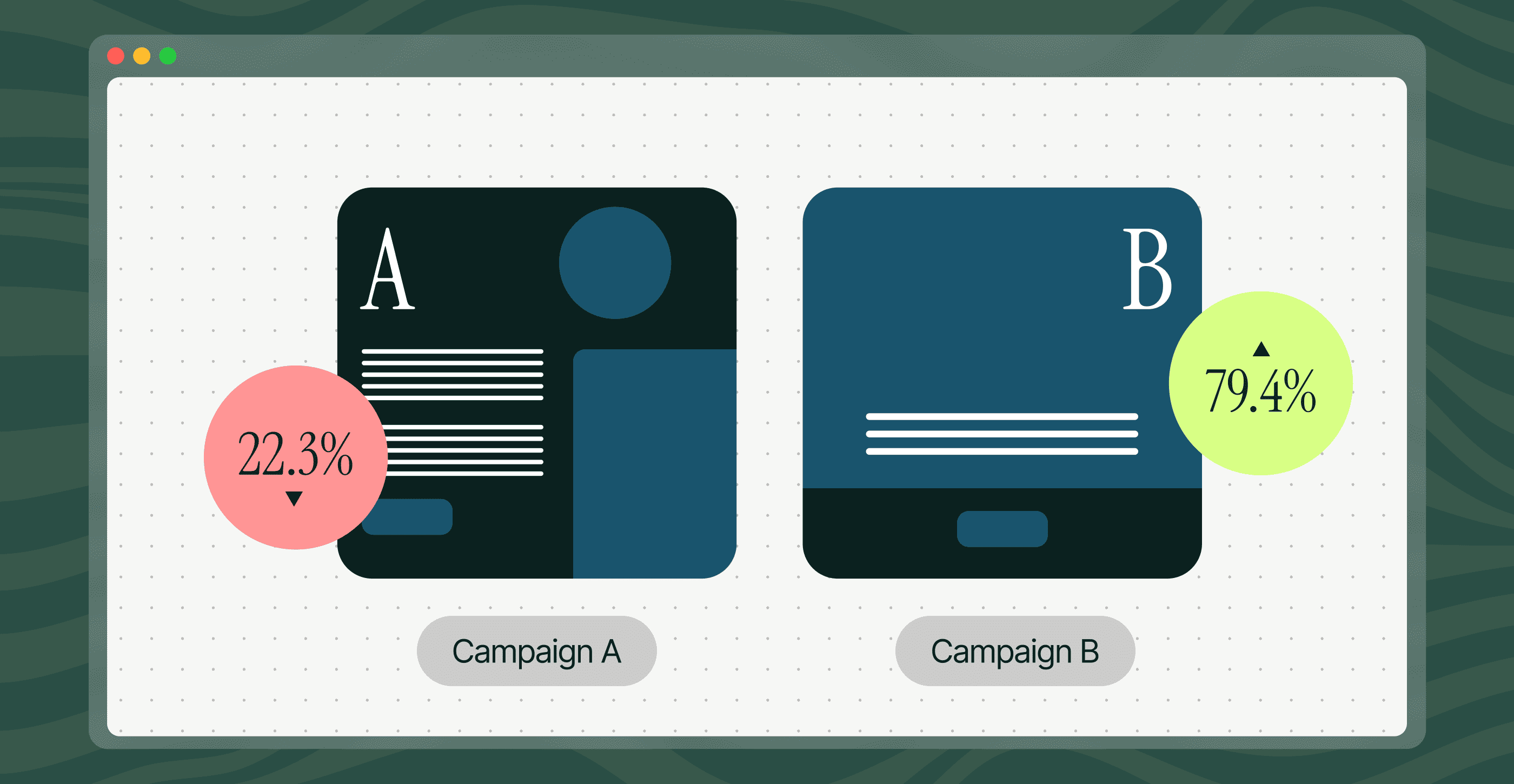
You set up the A/B test. You ran two creatives. One won. You scaled the winner. And somehow, performance still plateaued. Or worse, dropped.
You ask: Why is testing not working?
There's a question worth asking before you evaluate any creative analytics tool: what problem are you actually trying to solve?
If the answer is "I need to understand what's working in my live campaigns, build reporting my whole team can use, and make faster creative decisions based on real data", that's a different tool than "I need to research competitors, build briefs, and manage the creative production process."
When you're evaluating creative tools, the most important question isn't "which one has more features," it's which problem are you actually trying to solve?
Foreplay and Superads both serve performance marketers and creative teams. But they built their products from opposite ends of the workflow, and that difference shows up in meaningful ways depending on what your team needs most.
If you're evaluating creative analytics tools, you've almost certainly come across both Superads and Motion. They occupy similar categories, since they help performance marketers and creative teams understand which ads are working, why they're working and what to build next.
But the two platforms are built on different philosophies, and the differences show up in ways that matter for day-to-day work, especially at scale.
There's a shift happening in paid advertising that's impossible to ignore.
For years, performance marketers lived and died by their targeting. Custom audiences, lookalikes, interest stacking—these were the levers that made or broke campaigns. But that playbook has fundamentally changed. Platform algorithms now handle most of the heavy lifting when it comes to who sees your ads. What they can't do is create compelling content for those audiences.
Cracking the code for social media success isn’t just about staying active and posting on schedule. It’s also about measuring your results to ensure your target audience is paying attention.
Fortunately, many excellent social media analytics tools are now available to help you optimize your digital marketing strategy. With Superads, you can access advanced analytics, enjoy user-friendly interfaces and leverage actionable creative insights—perfect for savvy business owners and marketers.
Creative has become the ultimate performance lever in paid social. But here's the thing: running tests is just half the battle.
And the real challenge is making sense of what worked, why it worked and how to scale those insights across your campaigns.
Getting hit with a "Facebook ad account restricted" notification feels like a punch to the gut, especially when campaigns are driving real results. One minute you're scaling profitable ads, the next you're locked out of advertising entirely.
If you're dealing with a Facebook ads restricted situation right now, don't panic. Account restrictions are more common than you think, and many restrictions can be resolved through appeals or reviews, depending on the severity of the violation.